

Crutches
Lightweight Support for Everyday Mobility
Whether you’re recovering from surgery, managing a long-term condition, or helping a loved one regain independence, forearm and elbow crutches offer a comfortable, stable way to stay mobile. Unlike underarm crutches that press into the armpit, these designs distribute weight through the forearm—reducing fatigue and strain.
At Winfar, we supply durable, adjustable forearm and elbow crutches trusted by hospitals, clinics, and individuals across South Africa.
What Are Forearm and Elbow Crutches?
Both elbow and forearm crutches are mobility aids designed to support users who can bear partial weight on their legs.
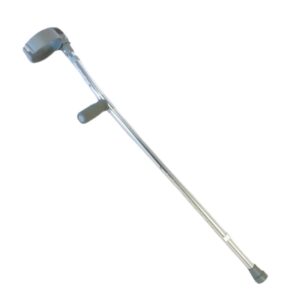
- Elbow crutches feature a half-cuff that fits just below the elbow.
- Forearm crutches extend higher up the arm, giving extra control and comfort for long-term use.
- Height adjustability – allows for correct posture and arm angle
- Ergonomic handles – reduce hand and wrist strain
- Durable aluminium frame – lightweight yet strong
- Quiet, non-slip rubber tips – improve grip and safety
- Replaceable parts – extend the life of your crutches
They are typically made from lightweight aluminium, fitted with ergonomic handles and non-slip rubber tips for stability indoors and outdoors.
Elbow vs Forearm Crutches – What’s the Difference?
| Feature | Elbow Crutches | Forearm Crutches |
|---|---|---|
| Support area | Lower forearm (below elbow) | Full forearm (above elbow) |
| Comfort level | Suitable for short-term recovery | Ideal for longer-term use |
| Mobility control | Easier for quick, everyday movement | Offers greater balance and posture control |
| Common users | Post-surgery recovery, temporary injuries | Chronic conditions, mobility training |
Tip: If you expect to use crutches for more than a few weeks, forearm models often offer better weight distribution and comfort.
Key Features to Look For
- Height adjustability – allows for correct posture and arm angle
- Ergonomic handles – reduce hand and wrist strain
- Durable aluminium frame – lightweight yet strong
- Quiet, non-slip rubber tips – improve grip and safety
- Replaceable parts – extend the life of your crutches
How to Choose the Correct Size
Stand upright with your shoes on. The handgrip should align roughly with the crease of your wrist when your arm hangs naturally by your side. Your elbows should bend about 15–30° when holding the grips—this ensures stability and reduces arm fatigue.
Safe Use & Maintenance Tips
- Check rubber tips regularly for wear and replace when smooth.
- Ensure both crutches are adjusted to the same height.
- Avoid leaning too far forward—keep your weight evenly balanced.
- Wipe frames and handles clean after outdoor use.
Frequently Asked Questions About Crutches
1. What’s the difference between elbow and forearm crutches?
Elbow crutches support below the elbow, while forearm crutches extend higher up the arm for extra comfort and control.
2. Are forearm crutches better than underarm crutches?
Yes—forearm crutches reduce shoulder and armpit strain, making them ideal for long-term or daily use.
3. How do I adjust the height of my crutches correctly?
When standing upright, handles should line up with your wrist crease. Adjust the cuffs and legs so your elbows bend slightly.
4. What are the best crutches for long-term use?
Lightweight aluminium forearm crutches with ergonomic grips and non-slip tips are the best choice for comfort and durability.
5. Where can I buy crutches in South Africa?
Winfar supplies adjustable elbow and forearm crutches nationwide—available through our online store or selected mobility partners.