


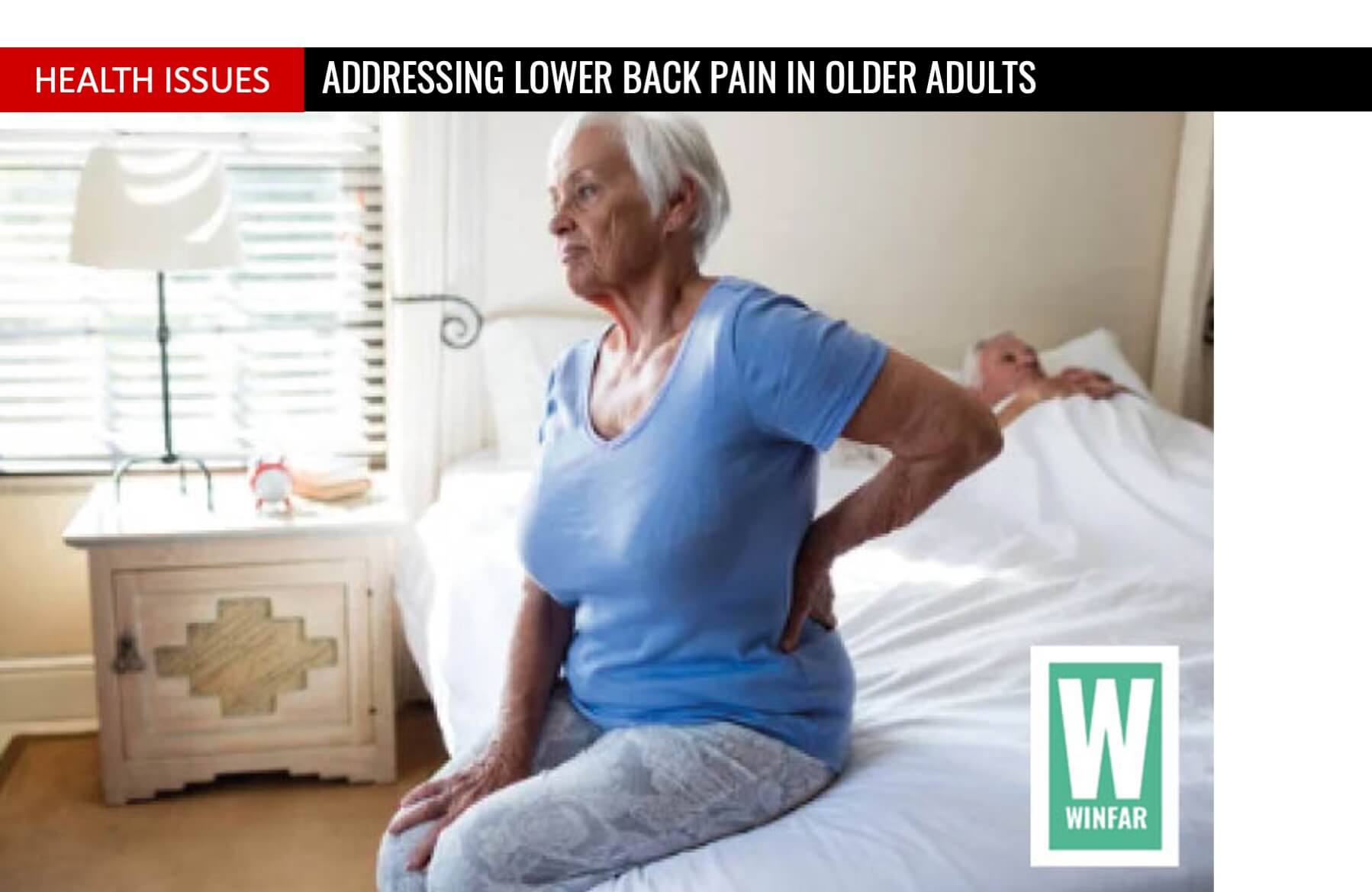

Lower back pain is common in older adults, but that does not mean it should simply be accepted as part of ageing. When back pain starts interfering with walking, standing, sleeping, or daily tasks, it can affect confidence, mobility, and independence.
The good news is that there are practical ways to manage lower back pain and reduce strain on the body. From gentle movement and posture changes to using the right support at home, small adjustments can make a real difference.
At Winfar, we understand how closely back pain is linked to everyday movement, safety, and comfort. The aim is not just to reduce pain, but to help older adults stay active and independent for as long as possible.
Common Causes of Lower Back Pain in Older Adults
Lower back pain can happen for several reasons, and in many cases, more than one factor is involved at the same time.
- Degenerative disc changes: The discs between the vertebrae can wear down over time, reducing shock absorption and increasing stiffness.
- Osteoarthritis: Wear and tear in the spinal joints can lead to inflammation, pain, and restricted movement.
- Spondylolisthesis: One vertebra may slip forward over the one below it, causing instability and pain.
- Scoliosis: Curvature of the spine can become more pronounced with age and place extra strain on the lower back.
- Muscle strain: Weak muscles are more easily strained during lifting, bending, or even routine household tasks.
- Poor posture: Long periods of sitting, slouching, or standing incorrectly can put added pressure on the lower back.
- Osteoporosis: Fragile bones can increase the risk of compression fractures in the spine.
- Old injuries: Previous falls or back injuries may continue to cause discomfort later in life.
Practical Ways to Manage Lower Back Pain
1. Keep Moving Gently
It may feel easier to rest when your back hurts, but too much inactivity can make stiffness and weakness worse. Gentle movement helps improve circulation, maintain flexibility, and support the muscles around the spine.
Low-impact activities such as walking, light cycling, and stretching are often a good place to start. Some people may also benefit from extra stability during movement by using support from the Mobility range, or by choosing products from the Walkers and Rollators categories.
2. Improve Everyday Posture
Poor posture places unnecessary strain on the lower back. Sitting with feet flat on the floor, keeping knees at a right angle, and using proper lumbar support can help reduce pressure on the spine.
At home, daily comfort can also be improved with products from Winfar’s Daily Living range, which supports safer and more comfortable movement around the house.
3. Make the Bathroom Safer
Bathrooms are one of the most difficult areas for anyone with back pain, limited mobility, or balance issues. Sitting down, standing up, and stepping into a bath or shower can all place strain on the lower back.
For users experiencing back pain, sitting while showering can reduce strain on the lower back. Using a stable shower chair or shower seat can make bathing safer and more comfortable.
Using the right support can reduce effort and improve safety. Helpful options include Bathroom Aids, Grab Rails, and Raised Toilet Seats.
4. Use Heat or Cold Therapy
Cold packs may help reduce inflammation after a strain, while heat can help relax tight muscles and improve blood flow. A warm bath or heating pad may provide short-term relief for ongoing stiffness.
5. Reduce Muscle Tension
Massage may help ease muscle tightness and improve circulation in the lower back. This can be especially useful when pain is linked to tension, poor posture, or reduced movement.
6. Maintain a Healthy Weight
Extra body weight, particularly around the midsection, can increase the load on the spine. Maintaining a healthy weight can help reduce pressure on the lower back and improve overall mobility.
7. Get the Right Support Early
Sometimes the biggest improvement comes from using the right aid before pain becomes worse. Whether that means support while walking, safer bathroom transfers, or easier movement at home, the correct equipment can reduce strain and help preserve independence.
Depending on individual needs, supportive options may include products from Winfar’s Mobility, Bathroom, and Daily Living categories.
8. Know When to Speak to a Professional
If lower back pain is severe, persistent, or getting worse, it is important to speak to a doctor or physiotherapist. Pain relief medication may help in some cases, but professional guidance is important, especially for older adults with other health conditions.
Support Better Movement and Independence
Lower back pain may be common, but it should not be ignored. With the right combination of gentle movement, safer habits, and practical support, many older adults can stay more comfortable, confident, and independent.
Simple changes, such as using a shower seat for added support, can significantly reduce pressure on the lower back during daily routines.
If you or a loved one need extra support at home, explore Winfar’s ranges of Mobility Aids, Bathroom Aids, and Daily Living Aids to find practical solutions for safer everyday living.