


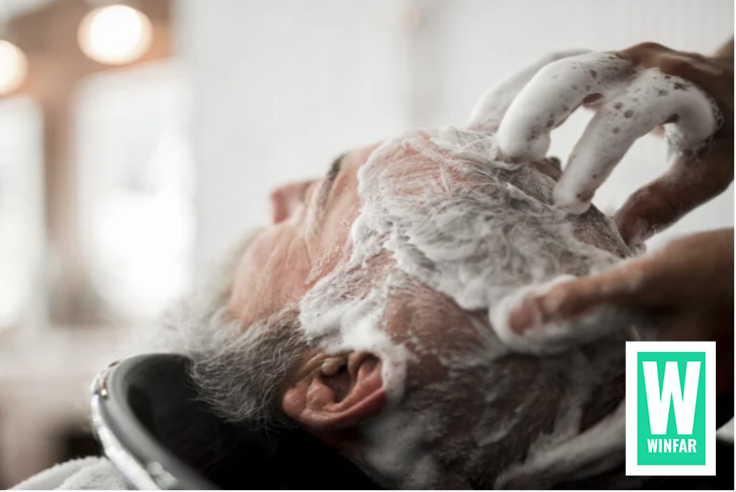

How to Wash Someone’s Hair in Bed (South Africa Guide)
Clean hair improves comfort, confidence and scalp health. Even if your loved one can’t get to the bathroom, you can wash their hair in bed safely and without a mess—here’s exactly how.
Why proper hair washing matters
Skipping hair washes can lead to an itchy scalp, dandruff build-up, odour and discomfort. Regular washing supports dignity and overall hygiene, and helps prevent minor skin issues on the scalp. With the right setup, washing hair in bed is quick and comfortable.
What you’ll need
- Inflatable or portable hair-wash basin with drain hose (or a carefully positioned set of towels and a waterproof protector)
- Two buckets (one warm, clean water; one to collect wastewater)
- Plastic jug or cup for rinsing
- Shampoo and (optional) conditioner
- 4–6 towels and 2 washcloths
- Comb/brush and a mirror
- Waterproof protector or large towel under the shoulders
- (Optional) cotton balls for the ears
Before you start: setup & comfort
- Gather all supplies within easy reach; warm the room and ensure privacy.
- Check if your loved one needs the toilet first and confirm a comfortable position.
- Explain each step as you go; place a waterproof layer beneath the shoulders.
- Cover the person with a towel or blanket to keep them warm.
How to wash hair in bed: 12 steps
- Position the portable basin (if using) behind the head and adjust for comfort.
- Guide any drain hose into an empty bucket to catch wastewater.
- Wrap a towel around the shoulders; optionally place cotton balls gently in the ears.
- Using a jug, wet hair from the forehead backwards so water runs away from the face.
- Apply a small amount of shampoo and gently massage the scalp.
- Rinse thoroughly with warm water; repeat shampoo if hair is very soiled.
- (Optional) Apply conditioner; comb through ends; rinse completely.
- Support the head while you drain the basin; squeeze excess water from hair.
- Pat hair dry with a towel—avoid vigorous rubbing on sensitive scalps.
- Remove the basin; keep the head wrapped to stay warm.
- Comb or style as preferred; offer a mirror so they can check/assist.
- Empty and clean the basin; leave to dry for the next use.
Extra comfort & safety tips
- Line the neck opening with a small towel for softness.
- Keep water comfortably warm (around body temperature).
- Use a fragrance-free or sensitive-scalp shampoo if irritation occurs.
- Alternate full washes with no-rinse or dry shampoo on low-energy days.
- If there are stitches, wounds or tubes on the head/neck, follow clinician advice before washing.
Frequently Asked Questions
How often should you wash a bedridden person’s hair?
Generally once or twice per week, adjusting for scalp condition, hair type and personal preference. Between washes, use dry or no-rinse shampoo.
Can I wash hair in bed without a portable basin?
Yes—with towels and waterproof layers to catch splashes. A basin simply reduces spills and improves comfort for both caregiver and patient.
How do I avoid getting water everywhere?
Drain into a bucket, pour from the forehead back, and use a waterproof protector under the shoulders to catch any splashes.
What water temperature is best?
Comfortably warm—close to body temperature. Test on your inner wrist before rinsing.
Is it safe to wash hair if there are stitches or wounds?
Follow your healthcare provider’s guidance. You may need to avoid soaking the area or use a different method until healing progresses.
Sources
- Nursing Times – Procedure for washing patients’ hair in bed
- Daily Caring – How to wash hair in bed
- Elizz – How to wash someone’s hair in bed
Disclaimer: This guide is for general information only and does not replace medical advice. Always follow instructions from your healthcare professional.