


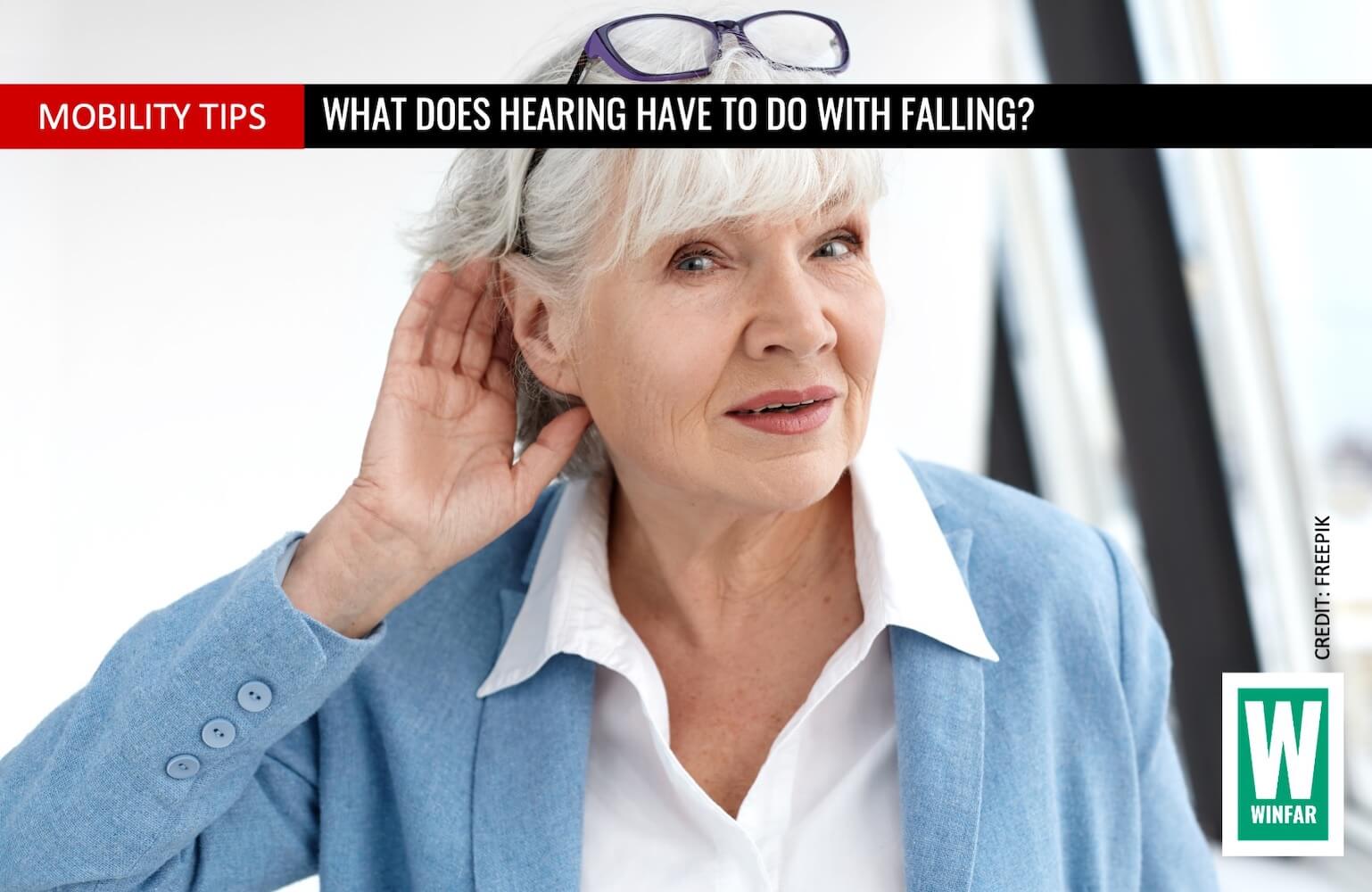

When people think about fall risk in older adults, they usually think about balance, strength, or mobility. But there is another factor that often gets overlooked: hearing.
Falls can have a serious impact on health, confidence, and independence. Even when there is no major injury, a fall can make someone more hesitant to move. That often leads to less activity, reduced strength, lower confidence, and an even greater risk of falling.
That is why fall prevention matters — and why it is important to look at the full picture, including hearing.
Is There a Link Between Hearing Loss and Falls?
Yes. Research suggests that hearing loss may increase the risk of falling in older adults.
Hearing does more than help you communicate. It also helps you stay aware of your surroundings. When hearing is reduced, the body may lose some of the cues it relies on for orientation, movement, and balance.
That means hearing loss can affect more than conversations. It can also affect stability, awareness, and confidence while moving around.
Why Does Hearing Affect Balance?
Balance is not controlled by one part of the body alone. It depends on several systems working together, including vision, muscle strength, coordination, the inner ear, and awareness of the environment.
1. The Brain Has More To Process
Walking may feel automatic, but it requires ongoing coordination. When hearing is reduced, the brain may need to work harder to process sound and make sense of the environment. That can leave less mental capacity for balance and movement.
2. The Inner Ear Plays a Dual Role
The inner ear is involved in both hearing and balance. As people age, natural changes in the inner ear can affect both systems at the same time, which may make it harder to stay steady when standing or walking.
3. Sound Helps With Orientation
Sound gives us subtle information about where we are and what is happening around us. Directional sound, background noise, and echoes can all help with spatial awareness. When those cues are reduced, balance may become more difficult.
4. Confidence and Movement Are Connected
Hearing loss can contribute to withdrawal, reduced social interaction, and lower confidence. When people move less, they often become weaker and less stable. That can increase fall risk even more.
Can Improving Hearing Help Reduce Fall Risk?
For some older adults, improving hearing may support better awareness and orientation. That does not mean hearing is the only cause of falls, but it may be one of the factors that should not be ignored.
Fall prevention works best when it looks at the full picture, including hearing, strength, balance, vision, footwear, medication, and safety at home.
What Can You Do?
If you are concerned about falls, it is worth taking a broader look at the possible causes.
- Get hearing checked: Hearing changes are easy to overlook, but early testing may help identify a hidden risk factor.
- Stay active: Gentle movement, strength work, and balance exercises can help reduce fall risk over time.
- Review medication: Some medicines can affect balance, alertness, or coordination.
- Check vision regularly: Vision also plays a major role in safe movement.
- Make the home safer: Remove tripping hazards, improve lighting, and reduce slippery surfaces.
Supportive equipment can also make everyday movement safer and more manageable. Depending on individual needs, it may help to explore mobility aids for home use, rollators, walkers for elderly support, grab rails, bathroom safety aids, and daily living aids.
Frequently Asked Questions
Can hearing loss really increase fall risk?
Yes. Hearing loss may affect awareness, orientation, and balance, which can increase the risk of falling in older adults.
Why does hearing affect balance?
Hearing and balance are both linked to the inner ear, and sound also helps people understand their surroundings. When hearing is reduced, stability may be affected.
Can hearing aids help reduce falls?
In some cases, hearing aids may improve awareness of the environment and help support better balance, but fall risk should always be assessed more broadly.
What else should be checked if an older adult is falling?
Vision, muscle strength, medication, footwear, home hazards, and mobility should all be reviewed as part of a full fall risk assessment.
What products can help reduce fall risk at home?
Depending on the person’s needs, mobility aids, bathroom safety aids, grab rails, walkers, rollators, and daily living aids may all help improve safety and confidence.
Support Safer Movement at Home
Falls are rarely caused by just one thing. Hearing may be one part of a much bigger picture — but it is a part worth paying attention to.
With the right support, home adjustments, and practical mobility solutions, many older adults can move more safely and confidently every day.
Explore Winfar’s range of mobility aids, bathroom safety solutions, and daily living aids for safer everyday living.