


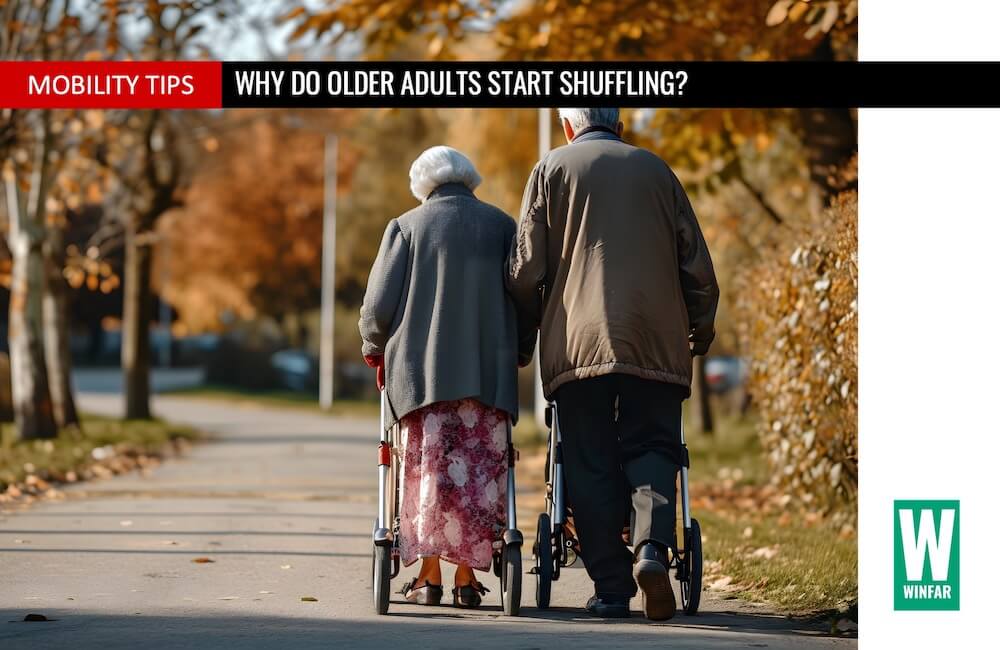

You may have noticed it — a slower step, a slight shuffle when walking. Even when you point it out, it often continues. In many cases, the person may not even realise they are doing it.
A shuffling walk is not intentional. It is usually a sign that something has changed — physically, neurologically, or even emotionally. That’s why it should never be ignored.
Why Do Older Adults Start Shuffling?
As we age, strength, balance, and coordination naturally change. When one of these is affected, it often shows up in how a person walks.
Shuffling is often the body’s way of compensating — trying to stay stable, reduce discomfort, or avoid falling.
Why It Matters More Than You Think
- Feet are more likely to catch on rugs or uneven surfaces
- Balance becomes narrower and less stable
- The risk of falling increases significantly
Over time, this affects more than movement. It impacts confidence, safety, and independence.
Common Causes of a Shuffling Walk
- Loss of strength: Weak leg muscles make it harder to lift the feet
- Balance changes: Shorter steps feel safer but reduce stability
- Joint pain: Arthritis can make walking uncomfortable
- Neurological conditions: Parkinson’s or nerve issues affect movement
- Vision changes: Reduced visibility leads to cautious steps
- Fear of falling: Leads to hesitant, dragging steps
- Medication side effects: Can impact coordination
- Unsafe environment: Slippery floors or poor footwear
What Should You Do?
Don’t ignore it. A change in walking is often an early warning sign.
- Identify when it started
- Check for changes in health or medication
- Look for environmental risks at home
If unsure, consult a healthcare professional.
Simple Ways to Improve Stability
- Remove hazards and improve footwear
- Install grab rails for support
- Use mobility aids for home use
- Consider rollators for better balance or walkers for elderly support
- Add bathroom safety aids to reduce risk
- Support daily movement with daily living aids
Small, consistent improvements can restore confidence and reduce fall risk.
Frequently Asked Questions
Is shuffling walking a sign of something serious?
It can be. While it may result from muscle weakness or balance changes, it can also indicate neurological conditions like Parkinson’s disease. It should always be assessed if it appears suddenly or worsens.
Can a walker or rollator help with shuffling?
Yes. A properly fitted walker or rollator can improve balance, encourage better posture, and help reduce dragging steps.
Is shuffling walking linked to dementia?
In some cases, yes. Changes in walking patterns can be associated with cognitive decline, but they are not always the cause. A professional assessment is recommended.
How can I prevent falls if someone is shuffling?
Remove tripping hazards, improve lighting, install support rails, and consider using mobility aids to improve stability and confidence.
When should I be concerned?
If the shuffling starts suddenly, worsens, or is combined with weakness, pain, or balance issues, it should be checked by a healthcare professional.
Support Safer Movement and Independence
A shuffling walk is often the body asking for support. The earlier you act, the easier it is to manage.
Explore Winfar’s range of mobility aids, bathroom safety solutions, and daily living aids to support safer everyday movement.