


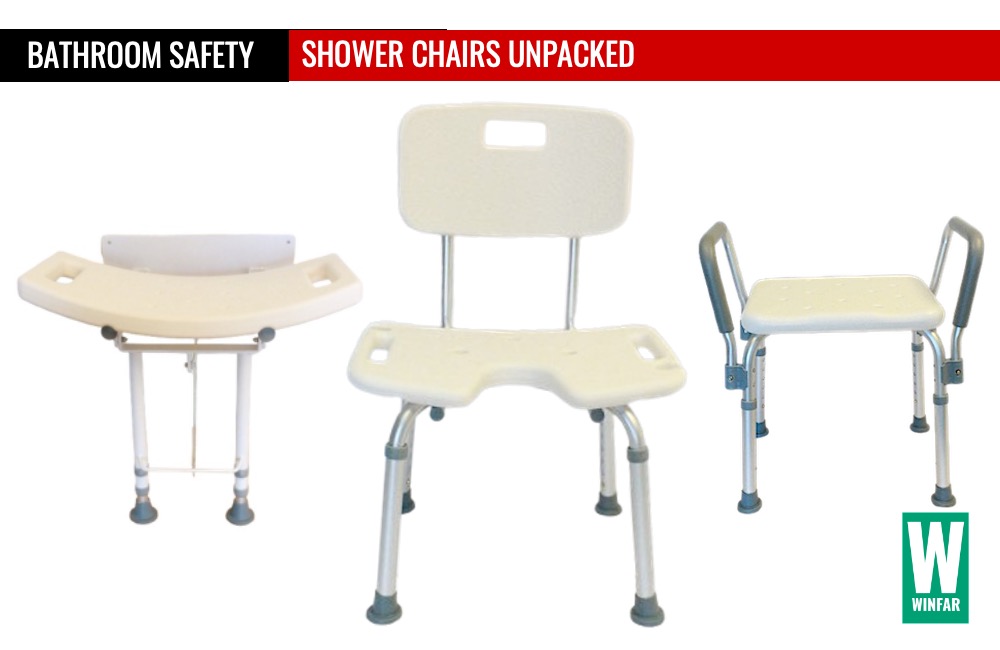

Types of Shower Chairs: Benefits, Features & How to Choose the Right One
A shower chair is more than just a seat. It is a practical bathroom safety aid that can make bathing easier, safer, and more comfortable. For older adults, people recovering from surgery, and anyone with limited mobility, the right shower chair can reduce the risk of slips and falls while making everyday hygiene less stressful.
But not every shower chair is the same. The best choice depends on the user’s mobility, bathroom layout, support needs, and whether a caregiver is involved.
What Is a Shower Chair?
A shower chair is a waterproof seat designed for use in the shower or bath area. It allows a person to sit safely while washing, which can reduce fatigue, improve stability, and support greater independence.
Many models are height adjustable and include non-slip rubber feet for better grip on wet surfaces. Some also include armrests, backrests, wheels, or hygiene cut-outs depending on the user’s needs.
Benefits of Shower Seats
A good shower seat can make a major difference to safety and confidence in the bathroom. Common benefits include:
- Reducing the risk of slipping in wet conditions
- Making showering less tiring for people with weakness or fatigue
- Supporting safer transfers in and out of the shower
- Improving comfort and confidence while bathing
- Helping older adults and people with limited mobility stay more independent
For broader bathroom support, it can also help to explore bathroom safety aids, commodes, and other home care accessories.
Who Benefits Most From a Shower Chair?
Shower seats or chairs are useful for a wide range of users, including:
- Older adults who feel less steady on their feet
- People recovering from surgery or injury
- People with arthritis, pain, or weakness
- Those with chronic illness, breathlessness, or limited stamina
- People with temporary or permanent mobility challenges
- Users who need help from a caregiver during bathing
What to Consider Before Buying a Shower Chair
1. Bathroom Size and Fit
Measure the shower or bath area carefully. The chair should fit comfortably on flat ground without rocking, tipping, or blocking safe movement.
2. Height Adjustability
The correct height matters. When seated, the user’s feet should rest flat on the floor rather than dangling. This improves stability and comfort.
3. Weight Capacity
Always check the chair’s weight limit. Some users may need a bariatric model with a reinforced frame and higher weight capacity.
4. Support Features
Backrests and armrests can improve comfort and support, especially for users who struggle with balance or sitting down and standing up safely.
5. Hygiene and Cleaning Access
Some designs include a U-shaped opening or a more open frame to make personal hygiene easier for the user or caregiver.
6. Caregiver Access
If a caregiver assists with bathing, think about whether the chair design allows enough space for access without making transfers harder.
Questions to Ask Before Choosing
- Will the chair fit fully inside the shower or bath area?
- Does the user need a backrest, armrests, or both?
- Would a backless or open design make caregiver support easier?
- Would a wheeled option make transfers easier?
- Would a fold-down option save space in a shared bathroom?
- Does the user need extra width or higher weight capacity?
- Are non-slip feet and stable leg design included?
Types of Shower Chairs
1. Standard Shower Chair
A standard shower chair usually has four rubberized feet, a supportive seat, and often a backrest and armrests. It is a strong all-round option for users who need stable seated support while showering.
This is often the best starting point for users who want a free-standing option from the shower chairs category.
2. U-Shaped Shower Chair
A U-shaped shower chair is designed to improve access for personal hygiene and can be especially useful when caregiver assistance is involved.
3. Commode Shower Chair With Wheels
This type combines shower use with the flexibility of a wheeled commode design. It can be helpful for users with more severe mobility limitations, especially when safe transfers are difficult.
Related support options can also be found in Winfar’s commodes range.
4. Bariatric Shower Chair
A bariatric shower chair is built with a reinforced frame for users who need a higher weight capacity and extra stability.
5. Fold-Down Shower Chair
A fold-down or wall-mounted shower chair is fixed to the wall and folds away when not in use. This can work well in smaller or shared bathrooms where floor space is limited.
6. Shower Stool or Backless Shower Seat
Shower stools are simpler, often more compact, and useful where less support is needed. Some are especially suitable for taller users or those recovering from hip operations.
How to Choose the Right Shower Chair
The right shower chair depends on the person, not just the product. Start with the user’s mobility level, strength, bathroom layout, and whether they need caregiver support.
If the user needs more than just a shower seat, it may also help to review Winfar’s bathroom safety aids, daily living aids, and home care accessories for a safer overall setup.
If someone has a disability, complex condition, or post-operative needs, professional advice from an occupational therapist can also help guide the decision.
Frequently Asked Questions
What is the difference between a shower chair and a shower stool?
A shower chair usually includes more support, such as a backrest and sometimes armrests, while a shower stool is more compact and may be backless.
Who should use a shower chair?
Shower chairs are useful for older adults, people recovering from surgery, users with limited mobility, and anyone who feels unsteady or fatigued while showering.
How do I know if a shower chair will fit?
Measure the shower or bath area carefully and make sure the chair can sit fully on flat ground without rocking or blocking safe movement.
Are shower chairs safe on wet floors?
Most shower chairs are designed with non-slip rubber feet and stable frames, but they should still be used correctly on suitable surfaces and checked regularly.
What type of shower chair is best for caregiver support?
That depends on the situation. U-shaped seats, wheeled commode shower chairs, and more open designs may make personal care and assisted bathing easier.
Make Bathing Safer and More Comfortable
The right shower seat can make bathing safer, more comfortable, and less tiring. It can also help preserve confidence and independence at home.
Explore Winfar’s range of shower chairs, bathroom safety aids, and daily living aids to create a safer and more supportive bathroom environment.